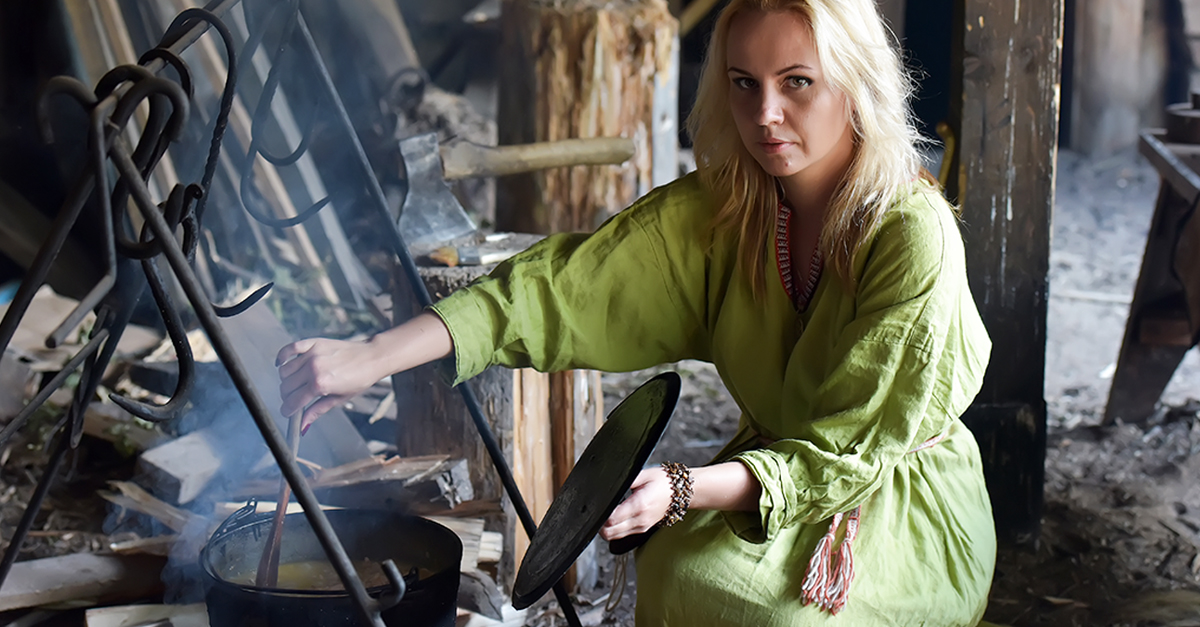
Greenlandic cuisine features traditional dishes made from local ingredients that are typically gathered from both land and sea; a showcase of the Inuit people's unique culture.
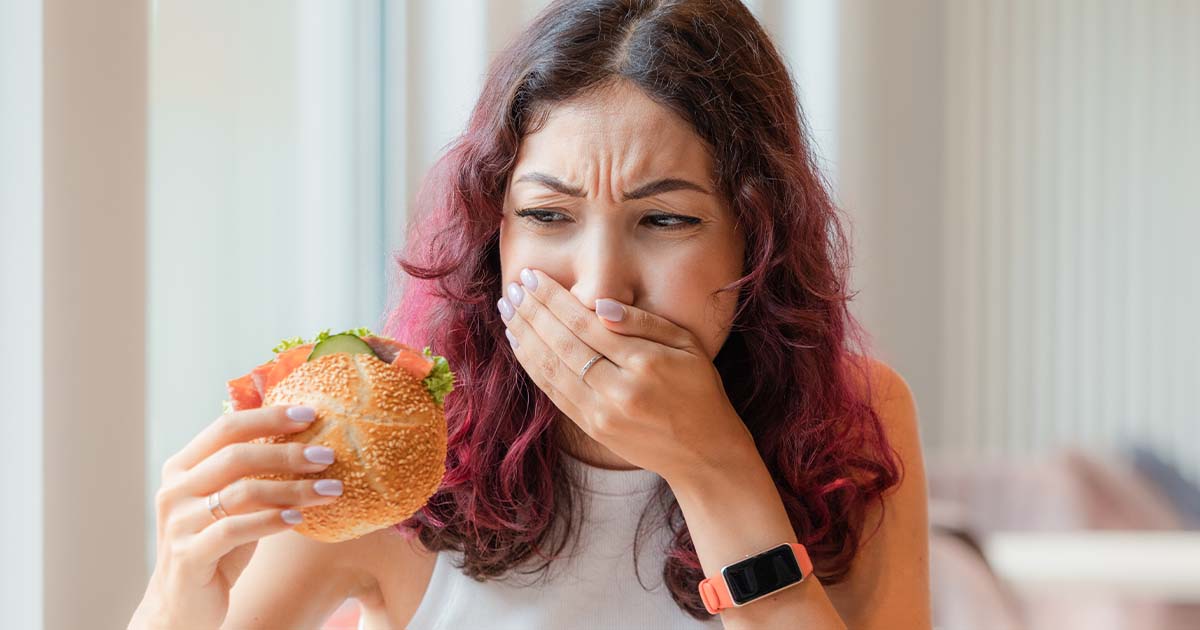
Discover 40 common ingredients that people say can really ruin a dish. From herbs and spices to bananas and marshmallows, find out which common foods many people have aversions to.
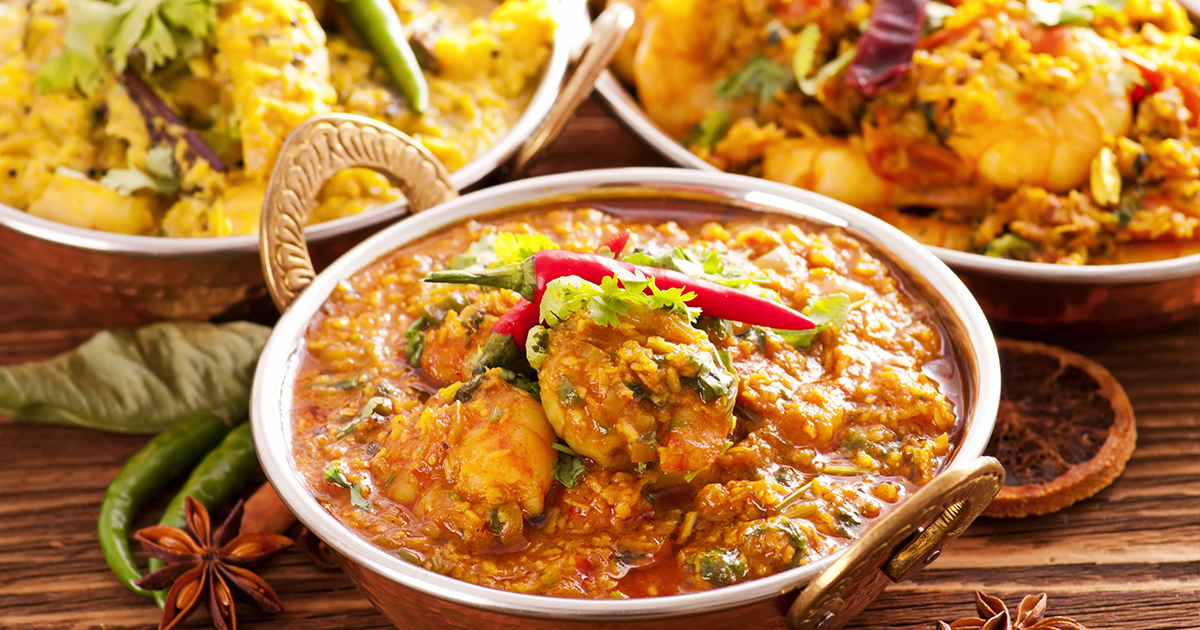
Discover a variety of some of the strangest food combinations that people actually eat, and enjoy. From coleslaw mashed potatoes and queso jell-o to vegetable beef pancakes and about a dozen weird sandwich combinations, these snack combos come highly rated by people all over the globe.
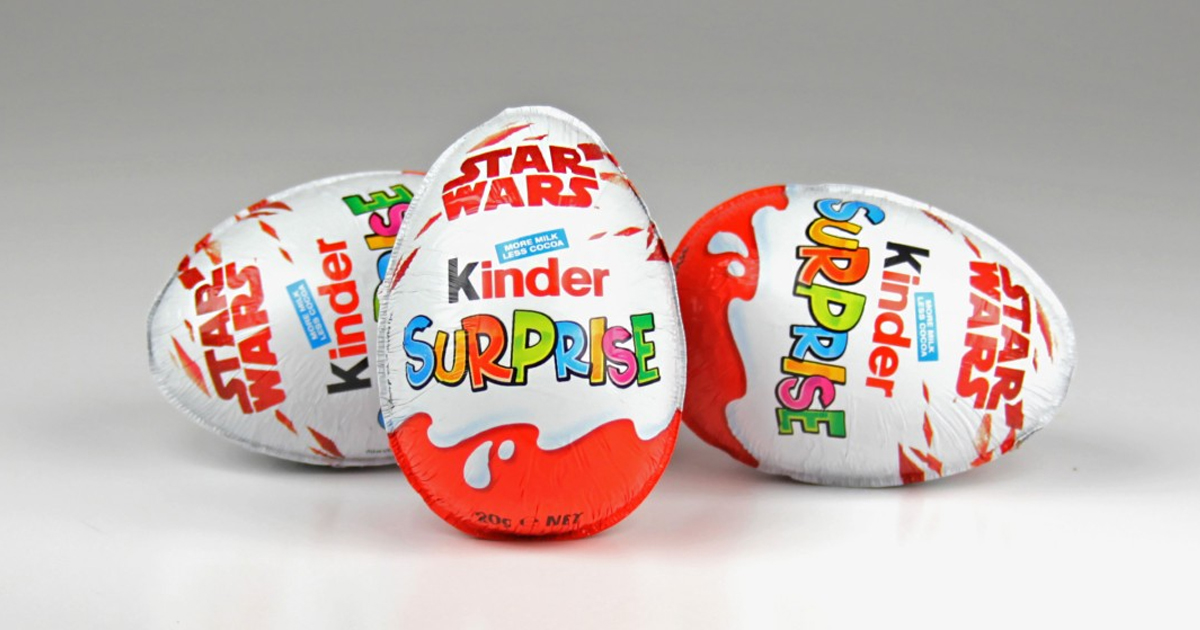
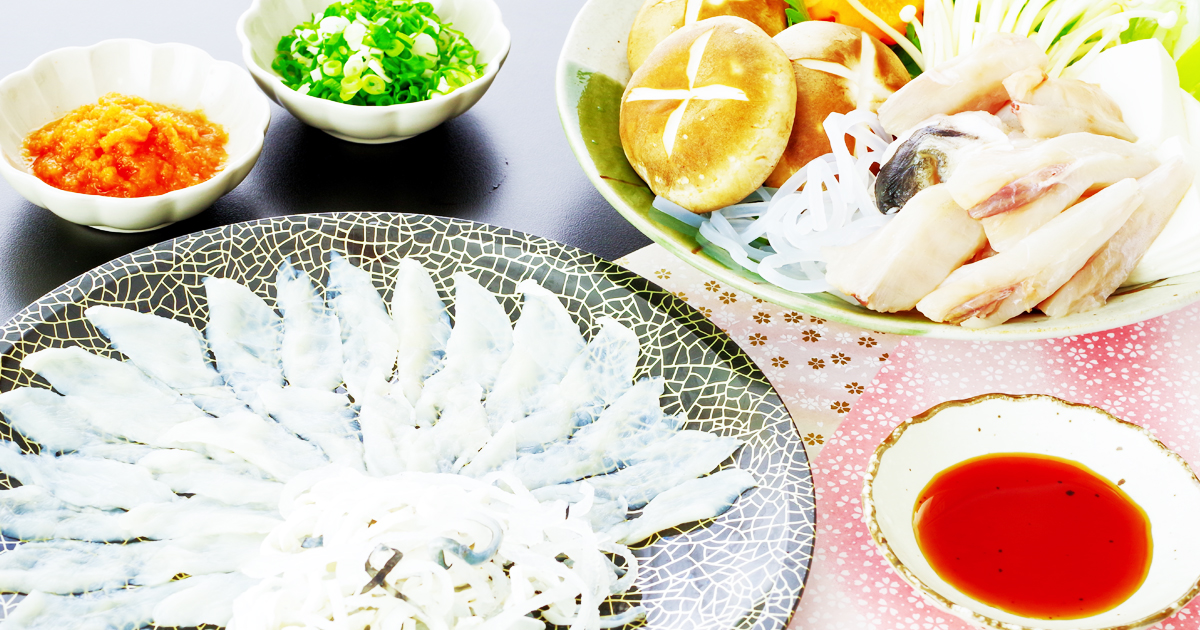
The U.S. has banned several foods from around the world due to safety, public health, and environmental concerns. Though Americans may not have access to them, they are considered delicacies—or even staples—in other parts of the world.
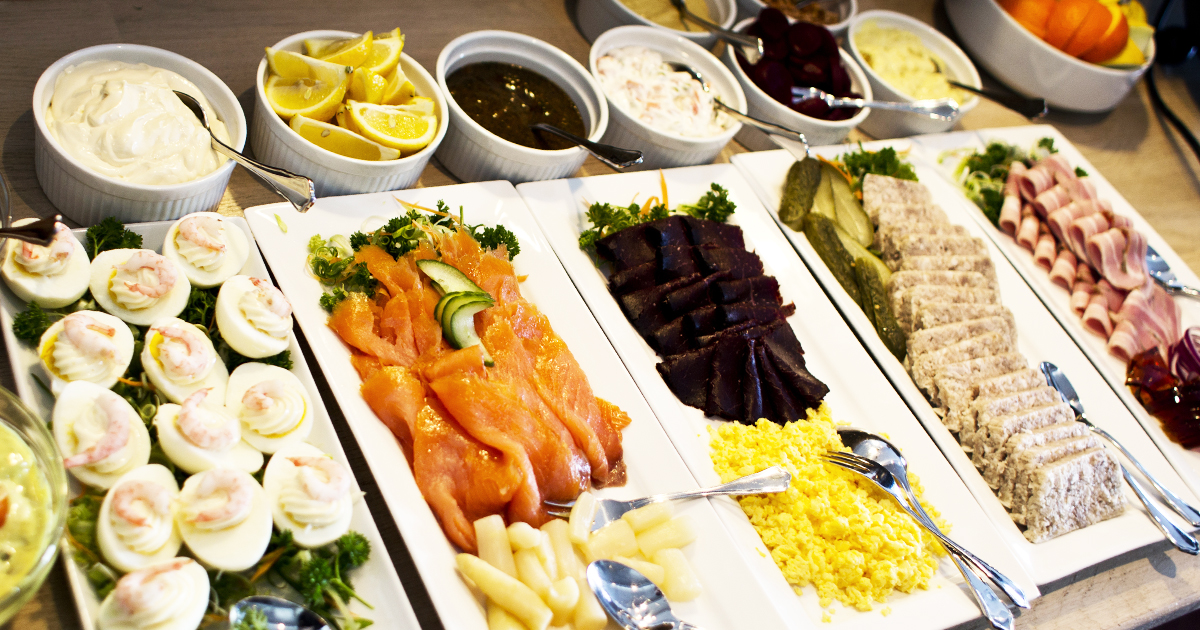
Italian food isn't a single unified cuisine, but have regional roots. Getting to know where these dishes come from can add to our appreciation of good Italian.
Highly portable and loaded with protein, pemmican was a staple of Indigenous people and European fur traders for hundreds of years. Now it's making a comeback.
The United States and the European Union have very different approaches to food additives. We list 10 food additives allowed in the US but banned in Europe, and the reasons for those bans.
Ancient grains were the staple foods of ancient civilizations and are increasingly popular with chefs, dietitians, and healthy eaters. We take a look at what makes ancient grains special.
Studies show a long-term decline in nutrient content for many fruits and vegetables. Produce is essential for a healthy diet, but you'll need to be more selective to maximize its nutritional benefits.
Al dente is the perfect consistency to aim for when cooking pasta. We look at some basic but essential steps to avoid the all-too-common problem of mushy, overcooked pasta.
Whole wheat flour can add nutrition and flavor to your baked goods, but it acts differently from all-purpose flour. We review some tips to help you get the best results out of your whole wheat baking.
Gluten-free products are important for those with celiac disease or gluten intolerance, but they aren't a guarantee of better nutrition. Many gluten-free products are actually worse for you than products with gluten.